A journey of a thousand miles begins with a single step – or in this case, the ride of your life may begin with unlocking the value of your home.
Ever dreamed of owning that top-of-the-line bicycle but just couldn’t justify the expenditure? Believe it or not, there’s a way to turn your home equity into the means for achieving this goal. That method is known as a reverse mortgage, an often-overlooked financial tool that can provide you with cash from your largest asset – your home – while you still live in it.
This article will guide you through understanding the concept and mechanics behind reverse mortgages, evaluating their benefits and potential drawbacks, and ultimately showing how they can make purchasing that dream bike possible. We’ll break down complex financial terms into simple language to help you understand whether using a reverse mortgage for such an investment makes sense for you.
Your cycling dreams may be closer than they appear!
Key Takeaways
- Reverse Mortgage Palm Springs allow senior homeowners to access their home equity without selling their home or making monthly mortgage payments.
- Utilizing a reverse mortgage can provide the funds needed to purchase a dream bicycle, cover maintenance costs, and still leave funds for other necessities.
- It is important to understand that a reverse mortgage compromises future inheritance, as the loan will eventually need to be repaid.
- While the loan proceeds from a reverse mortgage are not taxable income under federal law, it may affect eligibility for certain public benefits.
Understanding the Concept of Home Equity
You’ve gotta understand, your home’s equity isn’t just some abstract concept; it’s a powerful tool that can help you bring your dream bicycle within your reach.
Equity calculation is straightforward: subtract the outstanding balance on your mortgage from the current market value of your home. The result? That’s your home equity – in essence, the portion of ownership rights you’ve truly earned.
But how does this translate to purchasing a bike? Well, with a reverse mortgage, you convert part of this equity into cash without selling your home or paying additional monthly bills. This non-traditional loan allows senior homeowners to utilize their accumulated wealth for any purpose they deem fit – like buying that top-tier mountain or road bike you’ve been eyeing.
Now that’s putting home equity to good use!
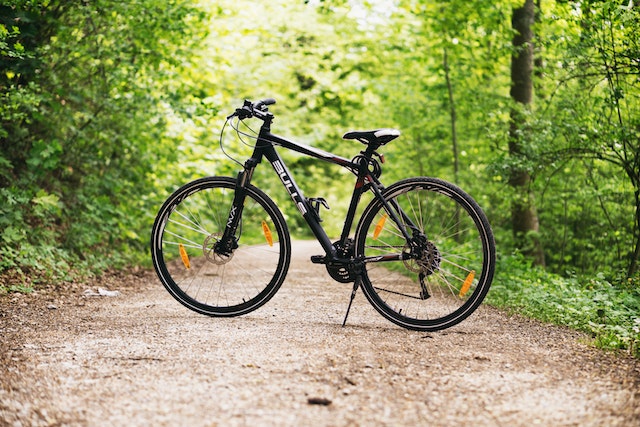
Exploring the Benefits and Drawbacks of Reverse Mortgage
Like a double-edged sword, this financial strategy can either be your saving grace or a potential pitfall in your journey to owning that coveted set of wheels.
On one hand, reverse mortgages offer you the chance to tap into your home’s equity without selling it, giving you more funds for your dream bicycle purchase.
However, there are also downsides. You should be aware of common Reverse Mortgage Misconceptions – such as believing that the bank owns your home after you take out a reverse mortgage; actually, you continue to retain ownership. Additionally, while the loan proceeds aren’t taxable income under federal law, they could affect your eligibility for certain public benefits.
So consider both benefits and drawbacks carefully before deciding whether to use a reverse mortgage for funding your dream bike acquisition.
Making Your Bicycle Investment a Reality
Now, let’s pedal into making that two-wheeler dream a reality! Utilizing reverse mortgages to fund your bike purchase is a viable financing option available. This strategy allows you to tap into your home equity without selling it or accruing monthly mortgage payments.
However, keep in mind the bicycle maintenance costs that come with owning high-end bikes. The funds from the reverse mortgage can cover these expenses and still leave some for other necessities. It’s critical to remember though, that while this offers immediate financial relief, it does compromise future inheritance as the loan needs eventual repayment.
Weigh these factors carefully before deciding, ensuring you have a comprehensive understanding of mortgage products and their implications on your financial health.
Conclusion
In conclusion, don’t let your dreams of cruising on that dream bicycle gather dust.
Unlock the value in your home with a reverse mortgage and pedal towards financial freedom. It’s not without risks, so weigh up these wheels wisely.
Remember, every journey starts with a single revolution – make yours count!